Gestational Diabetes Breakfast Ideas for Busy Mornings
 Margaux · · 13 min read
Easy, satisfying breakfast ideas to help manage your blood sugar, even when your mornings are anything but calm.
Mornings with children are rarely peaceful. Between getting everyone dressed, preparing lunchboxes, finding missing shoes, and trying to get out of the door on time, breakfast can easily become something you squeeze in between everything else.
Now imagine doing all of that while managing gestational diabetes.
Suddenly, grabbing a piece of toast or a bowl of cereal isn’t quite so straightforward. You’re thinking about carbohydrates, checking your blood sugar, and wondering whether your breakfast will send your glucose levels too high.
And then there’s the advice to take a 15–30-minute walk after eating.
Which sounds lovely in theory. But when you have children to get to school and a job to get to, finding an extra half hour in the morning isn’t always realistic.
Having experienced gestational diabetes during both of my pregnancies, I know how challenging those mornings can be.
For me, mornings were particularly difficult because my fasting blood sugar was often already too high before I’d eaten anything. My glucose could actually rise overnight, meaning I sometimes woke up with an elevated reading despite not having eaten for hours.
That made choosing the right breakfast even more important.
Over time, I learned that breakfast didn’t need to be complicated. What mattered was understanding how different foods affected my blood sugar, preparing a few reliable options, and being realistic about what my mornings actually looked like.
Here are some simple, practical breakfast ideas, along with the reasoning behind them.
Why Is Blood Sugar Often Harder to Control in the Morning?
One of the first things I learned about gestational diabetes was that my body didn’t respond to food in exactly the same way throughout the day.
A breakfast that seemed perfectly reasonable could produce a much higher glucose reading than I expected.
During pregnancy, hormones produced by the placenta increase insulin resistance. Your body needs more insulin to keep blood sugar within its target range, and gestational diabetes develops when it cannot produce enough to meet that increased demand.
Morning hormones can make glucose regulation particularly challenging.
This is why some women tolerate fewer carbohydrates at breakfast than at lunch or dinner.
The type of carbohydrates matters, but so does the amount.
Wholegrain bread, oats, fruit, and yoghurt can all be part of a healthy pregnancy diet. However, they still contain carbohydrates, and the portion size can make a considerable difference to your post-breakfast reading.
The goal isn’t to eliminate carbohydrates. It’s to find a breakfast that provides adequate nutrition without causing your blood sugar to rise above your recommended range.
When You Wake Up With High Blood Sugar
During both of my pregnancies with gestational diabetes, my fasting blood sugar was often already elevated before I’d eaten anything. Sometimes, my glucose levels would actually rise overnight.
This made breakfast particularly challenging, especially on busy mornings when I didn’t have time for a walk afterwards.
I’ve written a separate article about my experience with high fasting blood sugar during gestational diabetes, what I learned, and how I managed those difficult mornings. Read my personal story here.
Why fasting blood sugar matters
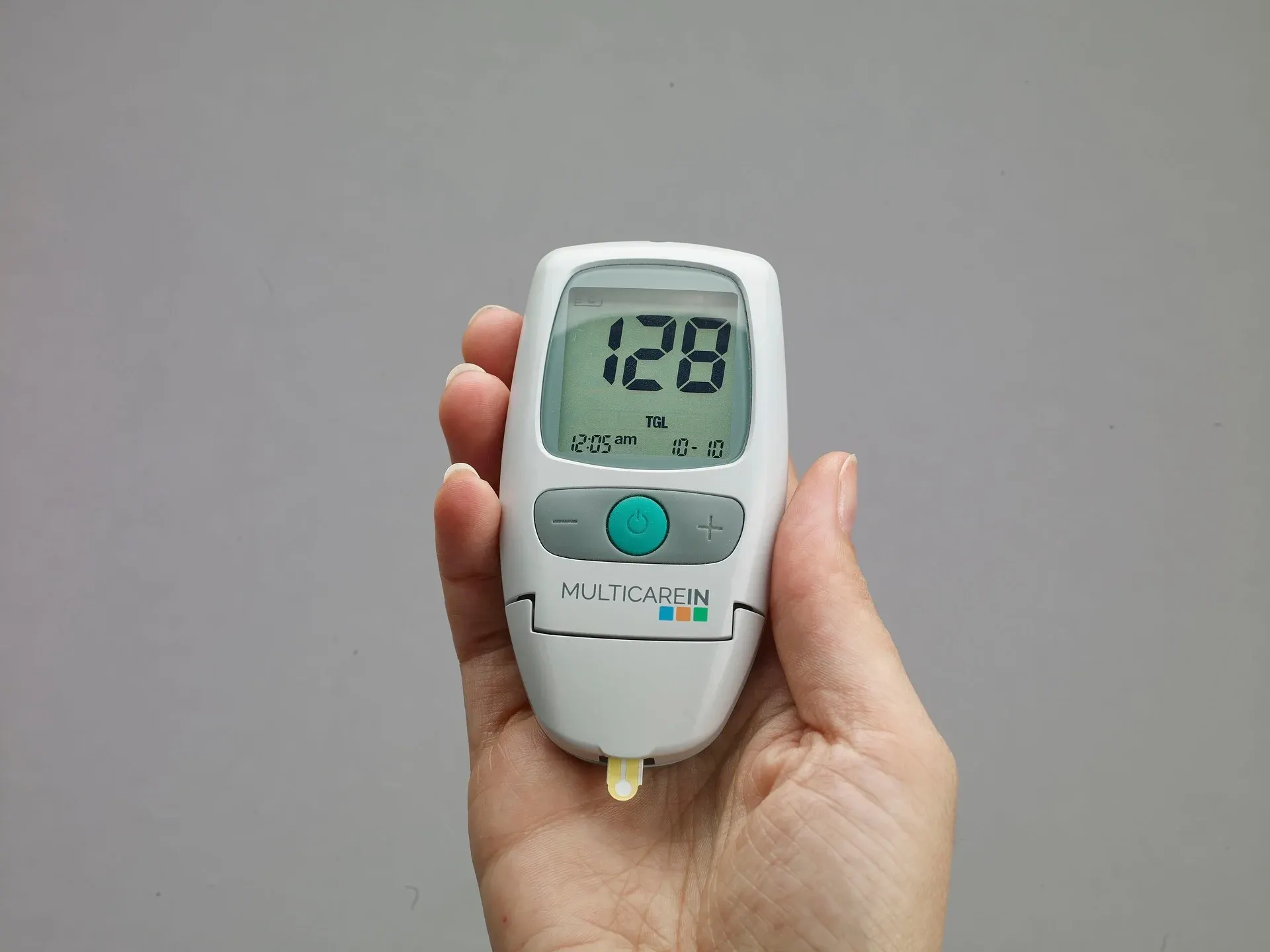
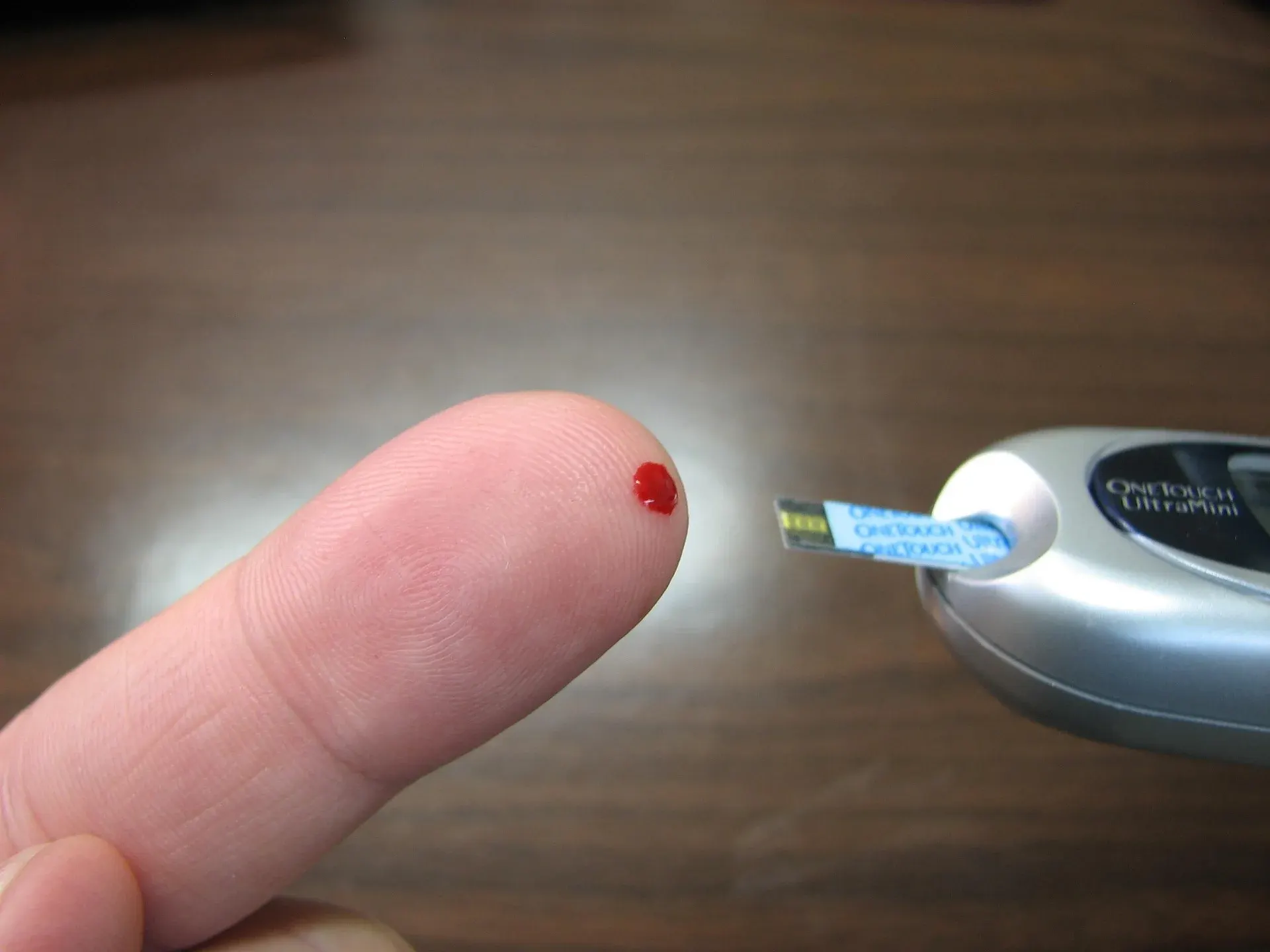
Your fasting blood glucose is usually measured when you wake up, before eating or drinking anything other than water.
Commonly recommended targets for gestational diabetes include:
| When you test | Common target |
|---|---|
| Fasting, before breakfast | Below 95 mg/dL (5.3 mmol/L) |
| 1 hour after a meal | Below 140 mg/dL (7.8 mmol/L) |
| 2 hours after a meal | Below 120 mg/dL (6.7 mmol/L) |
These are commonly used targets, but your healthcare team may recommend different thresholds, particularly for two-hour measurements.
An important thing to understand is that a high fasting reading cannot always be corrected through breakfast choices alone.
If your fasting levels remain elevated, speak with your diabetes care team. Some women need medication or insulin to manage overnight glucose levels, even when their food choices and daytime readings are good.
That is not a personal failure. It’s part of how gestational diabetes can develop during pregnancy.
The Breakfast Strategy That Makes Busy Mornings Easier
When you know you won’t have time for a walk after breakfast, it makes sense to choose a meal that has previously worked well for your blood sugar.
For me, this meant paying attention to three things:
1. Include a good source of protein.
Eggs, plain Greek yoghurt, cottage cheese, cheese, and unsweetened nut butter are convenient choices.
Protein helps make breakfast satisfying and, when combined with carbohydrates, can help moderate the overall glucose response.
2. Choose carbohydrates carefully.
Instead of relying on refined breakfast cereals, sweet pastries, fruit juice, or large portions of bread, choose smaller, appropriate portions of fibre-rich carbohydrates.
Wholegrain toast, oats, and berries can be good options, depending on your individual tolerance.
3. Make breakfast realistic.
The best breakfast isn’t necessarily the one that looks beautiful in a photograph.
It’s the one you can prepare, enjoy, and consistently fit into your morning routine.
For particularly sensitive mornings, some women find that splitting breakfast into two smaller meals works better than eating everything at once. Discuss the carbohydrate amounts and timing with your dietitian.
8 Easy Gestational Diabetes Breakfast Ideas for Busy Mornings
These ideas focus on minimal preparation, protein, and manageable portions of carbohydrates.
They aren’t guaranteed to produce the same glucose response for everyone. Use your post-meal readings to discover which options work for you.
1. Greek Yoghurt With Berries and Nuts
Preparation time: 2 minutes
Ingredients:
- 150 g plain, unsweetened Greek yoghurt
- A small handful of raspberries or blueberries
- 1 tablespoon chopped walnuts or almonds
- A sprinkle of cinnamon
Simply combine everything in a bowl.
Choose yoghurt without added sugar and check the nutrition label, as carbohydrate content varies between products.
Greek yoghurt provides protein, while berries contribute fibre and nutrients. Nuts add healthy fats and make the meal more satisfying.
Busy morning tip: Portion your nuts and berries the night before. In the morning, all you need to do is add the yoghurt.
2. Boiled Eggs With Wholegrain Toast
Preparation time: 2 minutes if prepared ahead
Ingredients:
- 1–2 hard-boiled eggs
- 1 small slice of wholegrain toast
- A few cucumber or tomato slices
Boil your eggs in advance and store them in the refrigerator.
In the morning, toast your bread, peel your eggs, and you’re ready.
Eggs provide protein, while a measured portion of wholegrain bread provides carbohydrates and fibre.
If your morning readings are particularly sensitive, you may need to adjust the amount of bread.
Busy morning tip: Boil several eggs at once so breakfast is ready for the next few days.
3. Cottage Cheese With Avocado and Tomatoes
Preparation time: 3 minutes
Ingredients
- 100–150 g pasteurised cottage cheese
- ¼–½ avocado
- A handful of cherry tomatoes
- Black pepper and a little lemon juice
Combine everything in a bowl and season to taste.
This is a simple, savoury breakfast with protein, healthy fats, and relatively little carbohydrate.
If you need additional carbohydrates, add a suitable portion of wholegrain toast or crackers according to your meal plan.
Busy morning tip: Keep individual portions of cottage cheese in the fridge.
4. Overnight Chia and Yoghurt Pudding
Preparation time: 3 minutes the night before
Ingredients:
- 150 g plain Greek yoghurt
- 1 tablespoon chia seeds
- A small splash of unsweetened milk
- A few raspberries
- Cinnamon
Mix the yoghurt, chia seeds, and milk in a small container.
Refrigerate overnight and add the raspberries in the morning.
Chia seeds provide fibre, and the yoghurt contributes protein.
Remember that milk and yoghurt contain naturally occurring carbohydrates, so check your portions.
Busy morning tip: Prepare two portions at once for consecutive mornings.
5. Egg Muffins With Spinach and Cheese
Preparation time: 2 minutes to reheat
Ingredients for 6 small muffins:
- 4 eggs
- A handful of chopped spinach
- 40 g grated cheese
- Diced bell pepper
- Black pepper
Preheat the oven to 180°C (350°F).
Whisk the eggs, stir in the vegetables and cheese, and divide between six greased muffin cups.
Bake for approximately 15–20 minutes, until completely set.
Refrigerate promptly and reheat thoroughly before serving.
These muffins provide a convenient protein-rich breakfast. Pair them with an appropriate carbohydrate portion if needed.
Busy morning tip: Make a batch during the weekend and freeze individual portions.
6. Wholegrain Toast With Peanut Butter
Preparation time: 2 minutes
Ingredients:
- 1 small slice of wholegrain bread
- 1 tablespoon unsweetened peanut butter
- A sprinkle of cinnamon
Toast the bread and spread with peanut butter.
Choose peanut butter without added sugar.
The peanut butter adds protein and unsaturated fats, while wholegrain bread provides carbohydrates and fibre.
This is one of the easiest breakfasts to prepare when you’re in a hurry.
Busy morning tip: Keep the ingredients together so you don’t have to think about breakfast.
7. Mini Vegetable Omelette
Preparation time: 5 minutes
Ingredients:
- 2 eggs
- A handful of spinach
- Chopped tomatoes
- A little olive oil
- Optional grated cheese
Heat a little olive oil in a pan.
Add the vegetables, pour in the beaten eggs, and cook until fully set.
Serve with a suitable portion of wholegrain bread if it fits your carbohydrate plan.
This is particularly useful when you prefer a savoury breakfast and want something filling without much preparation.
Busy morning tip: Chop your vegetables the night before.
8. A Small Portion of Overnight Oats
Preparation time: 3 minutes the night before
Ingredients:
- 20–25 g rolled oats
- 100 g plain Greek yoghurt
- A little unsweetened milk
- 1 teaspoon chia seeds
- A few berries
Mix the ingredients and refrigerate overnight.
Oats contain fibre and can be a nutritious choice, but they’re also a significant source of carbohydrates.
Some women with gestational diabetes tolerate oats well, while others notice higher breakfast readings.
Start with a portion recommended by your dietitian and check your glucose response.
Busy morning tip: Prepare the jar before going to bed.
What About Walking After Breakfast?
One of the recommendations you may receive after being diagnosed with gestational diabetes is to take a short walk after meals.
And there’s a good reason for that.
When your muscles are active, they use glucose for energy. Physical activity can also improve how effectively your body responds to insulin.
Even gentle movement after eating can help reduce the rise in blood sugar.
Some gestational diabetes care teams recommend 10–15 minutes of activity after meals, while others suggest longer walks of around 20–30 minutes.
But here’s the reality: not every morning allows for a walk.
When you’re getting children ready for school, preparing for work, and trying to leave the house on time, an additional 20 minutes can feel impossible.
That’s why I think it’s important to have two realistic breakfast strategies.
On Mornings When You Can’t Exercise
Choose a breakfast you already know works well for your glucose readings.
This might be Greek yoghurt with nuts and a small portion of berries, or eggs with a measured amount of wholegrain toast.
Prioritise protein, pay attention to carbohydrate portions, and avoid experimenting with foods that have previously caused large glucose rises.
You don’t need to make breakfast complicated.
On Mornings When You Have Time to Move
If you have time for a 15–30-minute walk after breakfast, that’s a wonderful opportunity to support your blood sugar management.
You might find that you tolerate a slightly larger portion of carbohydrates when you are active after eating.
For example, you may discover that a little more wholegrain toast or a modest portion of oats works better on mornings when you can walk afterwards.
However, this isn’t guaranteed.
Walking can reduce a glucose rise, but it doesn’t automatically make a higher-carbohydrate breakfast suitable.
Always use your glucose readings and your healthcare team’s advice to decide whether a particular meal works for you.
And remember, activity doesn’t necessarily mean a dedicated outdoor walk.
Walking to school, moving around the house, or doing light household tasks can contribute to your overall activity.
Should You Avoid Carbohydrates at Breakfast?
No. Gestational diabetes doesn’t mean you should eliminate carbohydrates from your diet.
Carbohydrates provide energy and are an important part of adequate nutrition during pregnancy.
The challenge is finding the right types, amounts, and distribution throughout the day.
Some gestational diabetes services recommend smaller breakfasts containing around 15–20 g of carbohydrates, followed by another small meal or snack later in the morning.
Other care teams recommend different amounts depending on your nutritional needs and blood glucose readings.
There is no single breakfast carbohydrate target that works for every pregnant woman.
The American Diabetes Association emphasises that gestational diabetes nutrition plans should be individualised and provide sufficient energy and nutrients for both mother and baby.
Avoid extremely low-carbohydrate diets or skipping meals to try to achieve better readings without medical guidance.
A Simple Breakfast Prep Routine That Actually Works
You don’t need to meal-prep an entire week’s worth of elaborate breakfasts.
A few small habits can make mornings significantly easier.
On Sunday:
- Boil a few eggs.
- Prepare a batch of egg muffins.
- Portion nuts and seeds into small containers.
- Check that you have plain yoghurt, vegetables, and wholegrain bread available.
The evening before:
- Prepare overnight yoghurt or oats if you want them.
- Set out your breakfast bowl or container.
- Decide what you’ll eat rather than making the decision during the morning rush.
In the morning:
- Check your fasting blood sugar as instructed.
- Eat your prepared breakfast.
- Take your post-meal reading at the time recommended by your care team.
- Fit in gentle movement if your schedule and pregnancy allow.
The goal is to make your morning easier, not create another complicated routine.
What If Your Blood Sugar Is Still Too High?
This is something I want to emphasise because I remember how frustrating high readings could feel.
You can choose a balanced breakfast, watch your portions, and follow your meal plan carefully, yet still struggle with your glucose levels.
Gestational diabetes is not simply about eating the wrong foods.
Pregnancy hormones can make insulin resistance progressively stronger, particularly as pregnancy advances.
If your fasting or post-breakfast readings are repeatedly above your targets, contact your gestational diabetes team.
They may recommend adjusting your meal plan, reviewing your glucose patterns, or introducing medication.
Don’t respond by continually cutting more foods out of your diet without professional guidance.
You and your baby both need adequate nutrition.
Frequently Asked Questions
What is the best breakfast for gestational diabetes?
There is no single best breakfast. A balanced meal containing protein, fibre-rich carbohydrates in an individually appropriate portion, and healthy fats is often a useful starting point. Eggs with wholegrain toast or unsweetened Greek yoghurt with nuts and berries are convenient options.
Can I eat oatmeal with gestational diabetes?
Yes, oatmeal can be included in a gestational diabetes meal plan. However, oats contain carbohydrates, and some women experience higher blood sugar readings after eating them, especially in the morning. Portion size and individual tolerance matter.
Is Greek yoghurt good for gestational diabetes?
Plain, unsweetened Greek yoghurt can be a convenient source of protein. Pairing it with nuts, seeds, or a small portion of berries can create a satisfying breakfast. Always check the carbohydrate content on the label.
Why is my fasting blood sugar high when I haven’t eaten?
Your liver releases glucose overnight, and pregnancy-related insulin resistance can make it harder for your body to regulate blood sugar. If fasting readings remain above your target, discuss them with your healthcare team.
Do I have to walk after every meal?
Walking after meals can help manage blood sugar, but a dedicated walk after every meal isn’t always possible. Regular physical activity is beneficial when safe during pregnancy. Follow your healthcare team’s recommendations and focus on a combination of appropriate nutrition, monitoring, and movement.
Final Thoughts: Keep Breakfast Simple and Be Kind to Yourself
If there’s one thing my two pregnancies with gestational diabetes taught me, it’s that managing blood sugar requires flexibility.
Some mornings you’ll have time to prepare breakfast, sit down, and enjoy a walk afterwards.
Other mornings you’ll be rushing out of the door with children, schoolbags, and a hundred things on your mind.
Both are part of real life.
For me, finding a few simple breakfasts that worked with my glucose readings made mornings much less stressful.
And because my fasting blood sugar was often already elevated, I learned how important it was to pay attention to what happened overnight, not just what I ate during the day.
You don’t need a perfect breakfast routine.
You need practical options, reliable information, and a plan that works for your pregnancy and your family.
Because managing gestational diabetes is about supporting your health and your baby’s development, not achieving perfection at every meal.
Medical note: This article shares my personal experience and general evidence-based information. It is not a substitute for individual medical advice. Always follow the blood glucose targets, nutrition plan, and treatment recommendations provided by your gestational diabetes healthcare team.