High Fasting Blood Sugar With Gestational Diabetes: My Experience and What I Learned
 Margaux · · 16 min read

From managing my first pregnancy with diet and exercise to facing high morning glucose readings, the possibility of insulin, and discovering celery juice during my second pregnancy.
Having gestational diabetes once doesn’t necessarily prepare you for having it a second time.
I learned that firsthand.
During both of my pregnancies, I was diagnosed with gestational diabetes. But although the diagnosis was the same, my experiences couldn’t have been more different.
During my first pregnancy, managing my blood sugar was relatively straightforward. I watched what I ate, stayed active, and my glucose readings generally remained within the recommended range.
My second pregnancy was an entirely different story.
Suddenly, I was waking up with blood sugar readings that were already too high, before I’d eaten a single bite.
And when my medical team told me I needed to start insulin, I was determined to understand what was happening inside my body.
This is my personal experience with high fasting blood sugar during gestational diabetes, the changes I made, and what I learned along the way.
My First Pregnancy: Managing Gestational Diabetes Without Medication
During my first pregnancy, I was diagnosed with gestational diabetes.
Of course, receiving that diagnosis meant making changes to my daily routine. I had to be more conscious of what I ate, how much I ate, and how my body responded to different meals.
But surprisingly, I found that managing my blood sugar was quite achievable.
My approach was simple.
I paid attention to my meals and made sure to incorporate movement afterwards.
After breakfast, lunch, or dinner, I tried to get approximately 30 minutes of physical activity.
And for me, that worked.
As long as I followed my eating routine and stayed active after meals, my blood sugar readings generally stayed within the recommended range.
Even my fasting glucose levels were good.
Every morning, when I checked my blood sugar before breakfast, my readings were usually somewhere in the 80s mg/dL.
I didn’t struggle with elevated morning glucose.
Looking back, I realise how fortunate I was that relatively small lifestyle adjustments were enough to manage my gestational diabetes during that pregnancy.
Because the second time around, everything changed.
My Second Pregnancy: Waking Up With Blood Sugar Over 100
When I became pregnant for the second time, I already knew that gestational diabetes could return.
I had experienced it before, understood how to monitor my blood glucose, and knew which dietary adjustments had worked for me.
But this time, my body responded differently.
Instead of waking up with fasting glucose readings in the 80s, I started seeing numbers like:
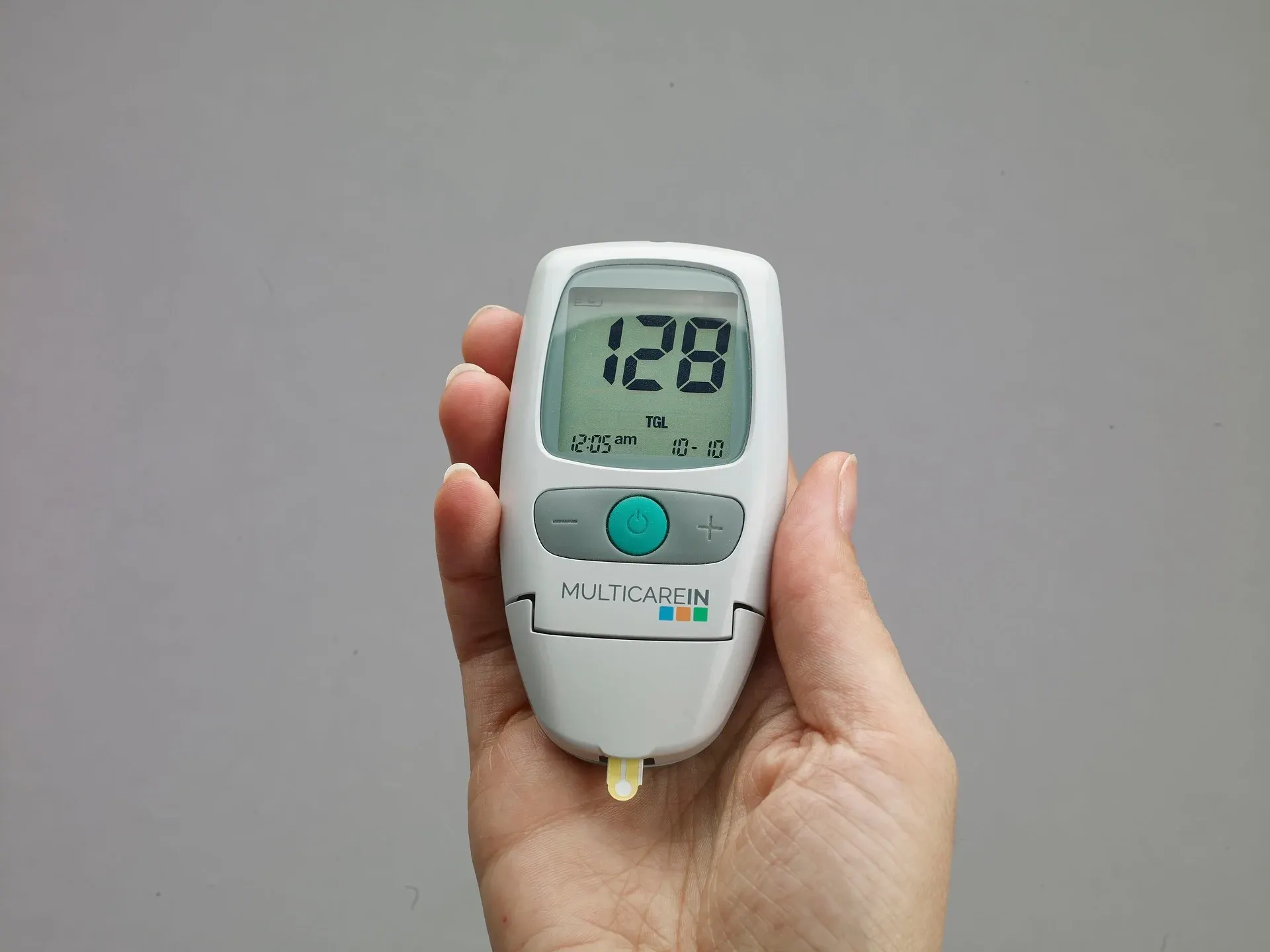
101, 102, 103, and sometimes even 107 mg/dL.
For someone without gestational diabetes, these numbers might not seem particularly alarming.
But during pregnancy, glucose targets are considerably stricter.
The American Diabetes Association recommends a fasting blood glucose level below 95 mg/dL (5.3 mmol/L) for most women with gestational diabetes. DOI
That meant my morning readings were consistently above the recommended target.
And what made this particularly frustrating was that I hadn’t eaten anything overnight.
I could go to bed having followed my usual eating routine and still wake up with an elevated glucose reading.
It felt completely different from my first pregnancy.
This wasn’t simply a matter of avoiding certain foods or going for a walk after breakfast.
My blood sugar was already too high before the day had even started.
Why I Didn’t Take the Glucose Tolerance Test Again
During my second pregnancy, I decided not to repeat the standard glucose tolerance test.
Instead, I monitored my blood glucose levels for an entire week.
Because I’d already experienced gestational diabetes during my first pregnancy, I was familiar with testing my blood sugar and interpreting the readings.
Throughout that week, I measured both my fasting glucose and my blood sugar after meals.
Unfortunately, the results confirmed what I had suspected.
It wasn’t just my fasting glucose that was elevated.
My daytime readings were also outside the recommended ranges.
My healthcare team concluded that I had gestational diabetes again.
An important distinction: This was my personal diagnostic experience, not a recommendation to skip the glucose tolerance test. An oral glucose tolerance test remains a standard diagnostic method, although some guidelines allow early self-monitoring as an option for women who previously had gestational diabetes. Testing decisions should always be made with a healthcare professional.
When I Was Told I Needed Insulin — And Why I Wasn’t Ready to Start
After reviewing my blood glucose readings, the diabetes nurses told me that I needed to start insulin immediately.
And that was something I desperately wanted to avoid.
Not because I didn’t understand the importance of managing gestational diabetes, but because I have always had a serious fear of needles.
The thought of having to inject myself every day was genuinely frightening.
I explained this to the nurses and told them that I wanted to speak with an endocrinologist before starting insulin.
But that wasn’t something they were willing to wait for.
I was told that I needed to begin insulin treatment immediately.
And when I explained that I wasn’t prepared to start injections without first discussing my options with a doctor, the conversations became increasingly difficult.
On several occasions, the nurses told me that I was putting both myself and my unborn baby at risk by refusing to start insulin.
As an expectant mother, those are incredibly difficult words to hear.
Of course, I wanted to protect my baby. More than anything.
I was already dealing with the stress of having gestational diabetes again, worrying about my glucose readings, and facing the possibility of daily injections.
Being repeatedly told that I was endangering my baby made the entire experience even more emotionally challenging.
I understand that the nurses were concerned about the potential complications of uncontrolled blood sugar during pregnancy. Those risks are real, and they need to be taken seriously.
But I also believe that pregnant women deserve to feel heard, especially when they’re frightened and trying to understand their treatment options.
I wasn’t asking anyone to ignore my blood sugar levels. I wanted a conversation about my options and an opportunity to explain my fears.
The Difference My Endocrinologist Made
What I found particularly striking was the difference between those conversations and my eventual appointment with the endocrinologist.
While I had experienced the nurses as sceptical and negative about my approach, my endocrinologist was much more open to discussing it.
By that point, I had started my celery juice routine, adjusted my evening eating habits, and noticed considerable improvements in my glucose readings.
When I explained what I had been doing, he listened.
I remember him saying something along the lines of:
If it works, it works. Whether your blood sugar is controlled through diet, insulin, or something else, what matters is that your readings are within the recommended range.
Those words stayed with me.
Not because they proved that celery juice was responsible for my improved readings — they didn’t.
But because I finally felt that someone was looking at my individual situation and listening to my experience.
Ultimately, I went through my second pregnancy without needing insulin injections.
And for someone with my fear of needles, that was an enormous relief.
And Then Theresa Was Born
When Theresa was born, she weighed 3.6 kg (approximately 7 lb 15 oz).
She wasn’t an unusually large baby.
After everything I had heard during my pregnancy, I remember how significant that felt.
Gestational diabetes is often associated with the risk of having a larger baby, and that had been one of the concerns surrounding my diagnosis.
Of course, I understand that birth weight alone doesn’t tell the whole story. A baby can have a normal birth weight even when the mother has experienced elevated glucose levels, and the risks of gestational diabetes extend beyond birth weight.
But emotionally, after months of worrying about my blood sugar and hearing repeated warnings about the potential consequences, holding my daughter in my arms was an incredibly meaningful moment.
Looking back, what I remember most isn’t just the glucose measurements or the daily routines.
It’s also how vulnerable I felt as a pregnant woman trying to make the right decisions for myself and my baby.
I wish there had been more room for conversation, reassurance, and understanding alongside the medical warnings.
Because managing gestational diabetes is already stressful enough without feeling that you’re being judged for asking questions.
And while I would never encourage another woman to disregard medical advice or delay necessary insulin treatment, I do believe every expectant mother deserves clear information, compassionate communication, and the opportunity to discuss her concerns with her healthcare team.
How I Discovered Anthony William’s Medical Medium Celery Juice
I started researching different approaches to health, nutrition, and blood sugar management.
During that search, I came across Anthony William and his book Medical Medium Celery Juice.
I bought the book and read it.
His ideas were very different from the conventional medical information I had encountered.
And when I told people around me that I was considering drinking large amounts of celery juice, many thought I was crazy.
But I was curious.
I wanted to try something different, and I was motivated by the possibility of improving my readings without insulin.
So I decided to incorporate celery juice into my daily routine.
I want to be very clear about something before continuing.
Anthony William’s claims about celery juice are not established medical treatments for gestational diabetes. There is no convincing clinical evidence that celery juice lowers fasting blood sugar in pregnant women or can replace insulin.
What follows is my personal experience, not proof of a medical effect or a recommendation to follow the same treatment approach.
My Celery Juice Routine During Pregnancy
I started drinking approximately half a litre of celery juice twice a day.
My routine looked like this:
- Morning: Approximately 500 ml of celery juice on an empty stomach, before coffee or breakfast.
- Evening: Another 500 ml of celery juice, usually around 8 p.m.
- Dinner: I tried to eat between 5 p.m. and 6 p.m.
- After 7 p.m.: I generally avoided eating anything else.
It was quite a commitment.
I was going through roughly 20 bunches of celery every week to produce the amount of juice I was drinking.
My kitchen practically became a celery juice production line.
But I stuck with the routine because of what I was observing in my glucose measurements.
What Happened to My Blood Sugar?
This is the part of my experience that surprised me the most.
After introducing celery juice and following my evening routine, my blood glucose readings improved considerably.
When I followed the routine consistently, my readings were generally within the recommended range.
And to me, the difference was remarkable.
I had gone from waking up with fasting glucose readings above 100 mg/dL to seeing readings that were much more in line with what my medical team wanted.
I couldn’t believe the change I was seeing.
Of course, I was also paying attention to my diet, eating earlier in the evening, and maintaining other habits that could influence my glucose levels.
So I cannot say with certainty that celery juice itself caused the improvement.
It could have been related to several factors, including my overall eating routine, meal timing, and natural fluctuations in insulin resistance.
But from my perspective, the difference coincided with the changes I had made.
And that made the experience incredibly memorable.
Why Meal Timing Was Also Important for Me
One thing I noticed was that my routine seemed to work best when I ate dinner early.
I generally tried to finish dinner by 6 p.m. and avoid eating after 7 p.m.
This became an important part of how I organised my evenings.
But I wasn’t trying to follow a perfect routine every single day.
I was still pregnant, after all.
Sometimes we went out for dinner.
Sometimes I wanted to enjoy a meal that didn’t fit perfectly into my usual eating habits.
And occasionally, my schedule simply changed.
I didn’t want gestational diabetes to take over every enjoyable part of my pregnancy.
I learned to look at the overall pattern of my glucose readings rather than focusing emotionally on every individual result.
That said, I wouldn’t recommend ignoring elevated measurements or deliberately eating foods that repeatedly push blood sugar above target.
Occasional high readings should be recorded, and recurring elevations should be discussed with your healthcare team.
I also wouldn’t recommend long overnight fasting periods without individual dietary advice during pregnancy. The timing and amount of food you need depend on your nutritional requirements and treatment plan.
Did Celery Juice Really Lower My Fasting Blood Sugar?
This is probably the most important question in this article.
And I want to answer it carefully.
I genuinely believe that the routine I followed made a difference to my personal experience.
I saw my glucose readings improve.
I saw a pattern that I hadn’t observed before.
And I was able to continue my second pregnancy without insulin injections.
But there is an important difference between observing an improvement after making a change and proving that the change caused the improvement.
I wasn’t participating in a clinical study.
I was changing several things in my daily routine at the same time.
I was drinking celery juice, eating dinner earlier, paying attention to my food choices, and monitoring my glucose.
That makes it impossible to isolate the effect of celery juice.
To establish whether celery juice helps manage gestational diabetes, researchers would need well-designed clinical studies involving pregnant women.
At present, celery juice is not a scientifically validated treatment for gestational diabetes.
And while celery is a nutritious vegetable, that doesn’t mean drinking large quantities of its juice will treat a medical condition.
There is also an important pregnancy safety consideration: freshly pressed, unpasteurised juice can contain harmful bacteria. The FDA advises pregnant women to choose pasteurised or otherwise appropriately treated juices rather than unpasteurised products. U.S. Food and Drug Administration
I share my story because it was an important part of my pregnancy, but I would never want another woman to delay necessary insulin treatment or expose herself to foodborne illness because of it.
What My Endocrinologist Said
Eventually, I had my appointment with the endocrinologist.
By then, my glucose readings had improved.
I explained the changes I’d made to my daily routine, including the celery juice.
And I remember the endocrinologist saying something that stayed with me.
Essentially, the message was:
If your blood sugar is under control, that’s what matters.
Whether the improvement came from nutrition, lifestyle changes, or medication, the important thing was that my readings were within the recommended range.
That’s how I remember the conversation.
It wasn’t scientific confirmation that celery juice worked.
But it did mean that my glucose readings were being evaluated within the context of my pregnancy.
And for me, that was reassuring.
Throughout my second pregnancy, I ultimately didn’t need to inject insulin.
Not once.
That was a significant relief, particularly given my fear of needles.
However, I know that another woman with similar readings might need insulin despite making every possible dietary and lifestyle adjustment.
And that’s why personal experiences should never replace individual medical advice.
Why Your Blood Sugar Can Be High Before Breakfast
One of the biggest lessons from my second pregnancy was that morning blood sugar isn’t simply determined by what you ate the night before.
Your body continues producing and regulating glucose while you sleep.
Your liver releases glucose into your bloodstream, and hormones influence how effectively your body responds to insulin.
During pregnancy, placental hormones increase insulin resistance.
This means your body needs more insulin to regulate glucose effectively.
Some people with diabetes also experience the dawn phenomenon, where hormonal changes in the early morning contribute to increased glucose production.
However, not every elevated fasting reading is caused by the dawn phenomenon.
Your fasting glucose may also reflect your previous evening’s glucose levels or other metabolic factors.
This is why persistently elevated fasting readings deserve medical attention, even when post-meal values seem well controlled. DOI
What I Would Tell Another Woman With High Fasting Blood Sugar
If you’re currently pregnant and struggling with elevated morning glucose readings, there are a few things I would want you to understand.
First, your second pregnancy might be completely different from your first.
Mine certainly was.
Even though I had experience with gestational diabetes and knew how to manage my meals, that didn’t mean the same approach would automatically work again.
Second, don’t assume that a high fasting reading means you’ve done something wrong.
Pregnancy hormones and insulin resistance can affect your glucose levels even when you’re following your recommended nutrition plan.
Third, keep monitoring your readings and communicate openly with your healthcare team.
If the numbers remain above target, you may need additional support or medication.
And finally, remember that insulin isn’t something to fear or view as a failure.
I personally wanted to avoid injections because of my needle phobia.
But medically necessary insulin can be essential for keeping blood glucose within a safe range during pregnancy.
Your baby’s health matters more than whether your gestational diabetes is managed through nutrition alone or with medication.
Frequently Asked Questions
Why is my fasting blood sugar over 100 with gestational diabetes?
Fasting glucose readings above 100 mg/dL are higher than the commonly recommended target of below 95 mg/dL during gestational diabetes.
Increased insulin resistance, overnight glucose production, and hormonal changes can contribute to these readings.
Speak with your healthcare team if your fasting values are repeatedly above target.
Can gestational diabetes be worse during a second pregnancy?
Yes.
Gestational diabetes can vary between pregnancies.
Having relatively mild gestational diabetes during one pregnancy doesn’t guarantee that it will be equally easy to manage during another.
Can celery juice lower blood sugar during pregnancy?
There isn’t reliable clinical evidence demonstrating that celery juice lowers blood glucose in women with gestational diabetes.
Although some people report improvements after including it in their diet, personal experiences cannot establish that the juice caused those changes.
Celery juice should not replace prescribed gestational diabetes treatment.
Can you manage gestational diabetes without insulin?
Yes, some women can manage gestational diabetes through nutrition, physical activity, and regular glucose monitoring.
Others require medication, including insulin.
Your treatment depends on your glucose patterns, your pregnancy, and your healthcare team’s recommendations.
Should I skip the glucose tolerance test if I’ve had gestational diabetes before?
Not without discussing it with your healthcare team.
Some guidelines allow early self-monitoring as an alternative option for women who had gestational diabetes in a previous pregnancy, but the appropriate diagnostic approach depends on your circumstances and local medical guidelines.
Final Thoughts: Every Pregnancy Is Different
Looking back, my two pregnancies taught me just how unpredictable gestational diabetes can be.
During my first pregnancy, managing my glucose levels felt relatively straightforward.
I watched what I ate, moved after meals, and my numbers stayed within the recommended range.
During my second pregnancy, I found myself facing elevated fasting glucose readings, the possibility of insulin injections, and the uncertainty of not knowing why my body was responding so differently.
My experience with celery juice became a memorable part of that journey.
I was genuinely surprised by the changes I observed after adjusting my routine.
And although I cannot scientifically attribute those improvements to the juice itself, I still remember how significant they felt to me at the time.
Most importantly, my experience taught me that gestational diabetes requires an individual approach.
What works during one pregnancy may not work during another.
What helps one woman may have no effect on someone else.
And sometimes, no matter how carefully you eat or how active you remain, medication is necessary.
If there’s one thing I hope you take away from my story, it’s this: stay curious, stay informed, and work with your healthcare team to find the safest approach for you and your baby.
Because every pregnancy is different.
And every mother deserves the right support.
Related reading
Gestational Diabetes Breakfast Ideas for Busy Mornings
Discover eight quick, practical breakfast ideas for mornings when you’re managing gestational diabetes but don’t have time for a walk after eating.
Medical references
- American Diabetes Association — Standards of Care in Diabetes 2026: Management of Diabetes in Pregnancy
- NICE — Diabetes in Pregnancy: Management and Recommendations
- American Diabetes Association — How to Treat Gestational Diabetes
- FDA — Food Safety for Moms-to-Be: Fruits, Vegetables and Juices
Medical disclaimer: This article describes my individual pregnancy experience and is intended for informational purposes. It is not medical advice. Celery juice has not been proven to treat gestational diabetes and should not replace glucose monitoring, prescribed medication, or professional medical care. Pregnant women should avoid unpasteurised juices because of the risk of foodborne illness.